How to Verify Brake Pad Quality Before You Place a Bulk Order
Every importer has heard the horror stories: a container of brake pads arrives, the boxes look perfect, and three months later the first warranty claims come in — pads that crumble, fade at 150°C, or chew through rotors in 2,000 km. By then the money is spent.
The good news: brake pad quality problems are almost always visible before you commit to a bulk order, if you know what to check. This is the exact checklist we give new buyers who source from us — and the same list will protect you with any supplier, anywhere.
1. Check the friction code matches your market
Every brake pad should carry a friction code from the SAE J261 standard, printed as two letters (GG, FF, FE, etc.). The first letter is cold friction, the second is hot friction (after repeated braking).
- FF — the industry baseline; covers most street applications
- GG — higher friction; sport and heavy-load applications
- FE — slightly lower cold friction, very stable hot friction
If a supplier cannot tell you the friction code of their pads, that is your answer about the supplier. At MOTOKS the friction code is specified per SKU and printed on the backing plate and box — and we can tune it for your market's typical load and climate.
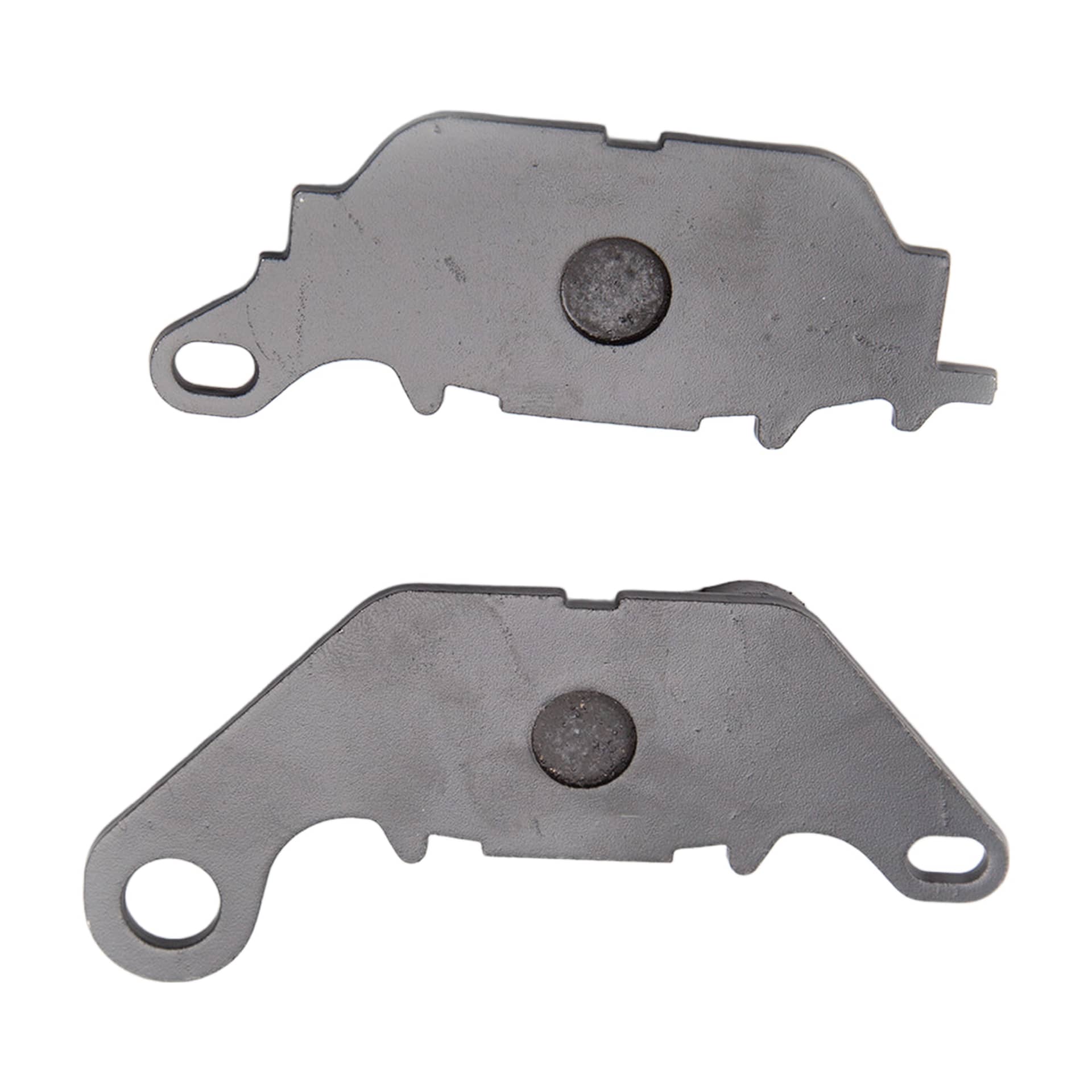
2. Inspect the backing plate, not just the friction material
The friction material gets all the attention, but most field failures start at the backing plate:
- Delamination — friction material separating from the plate under heat. Caused by poor bonding. Ask how the material is attached: integral molding, adhesive, or mechanical bonding.
- Rust-through — thin or unpainted backing plates corrode fast in humid coastal markets. Ask about coating.
- Wrong thickness — plates below spec cause piston over-travel and spongy levers. Bring a caliper to sample inspection; compare against the OE plate.
3. Ask for the material composition, in writing
A professional manufacturer knows exactly what is in their friction mix — fiber types, metal content percentage, binder system. If the answer is "our secret formula" with no data sheet, you are buying from a repackager, not a manufacturer. Asbestos-free certification should also be non-negotiable: many destination markets ban asbestos pads outright, and liability follows the importer, not the factory.
4. Test samples the way your customers ride
Bench dynos matter, but your market's real test is simpler:
- Bed-in properly — 20 gentle stops from medium speed, cooling between each
- Check cold bite — lever feel should be firm from the first pull, not "grabby" then weak
- Do a heat cycle — long downhill or repeated hard stops, then check for fade and smell
- Weigh the wear — measure pad thickness before and after the heat cycle; excessive loss means the compound runs too soft for your climate
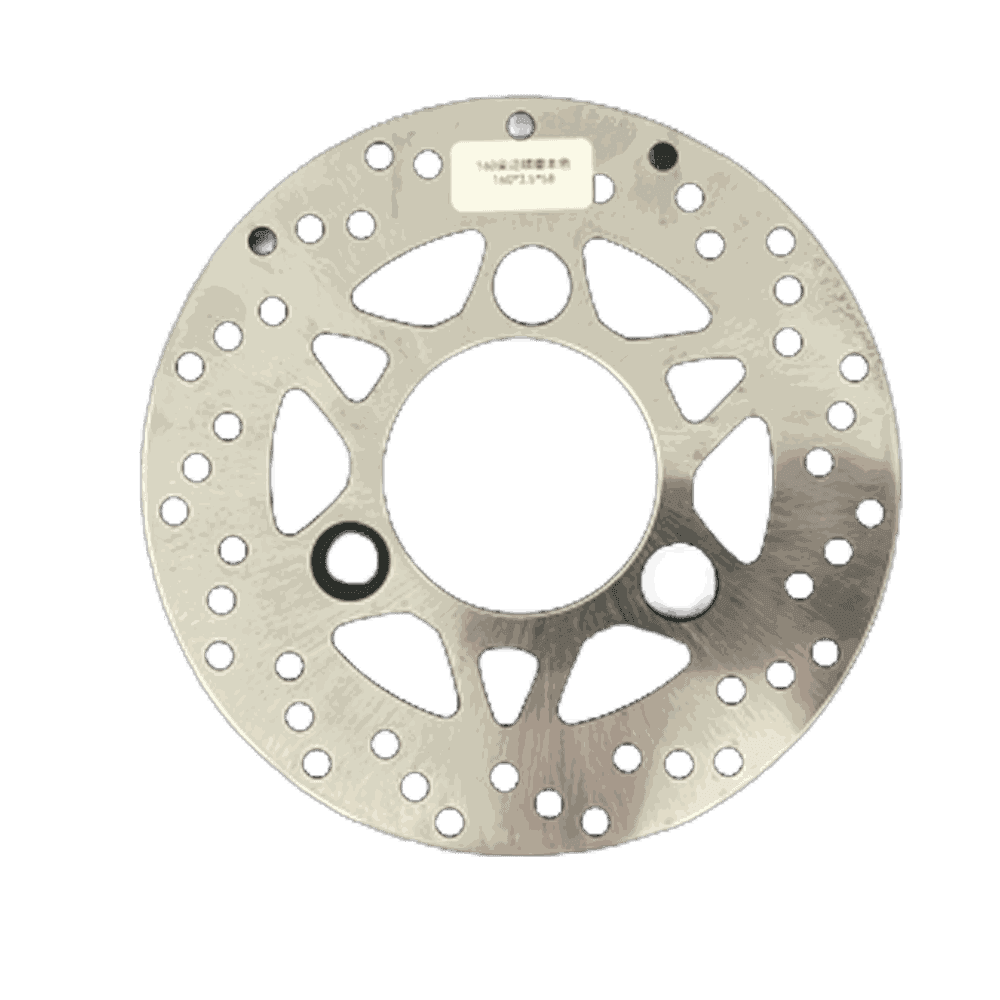
- Inspect the disc — heavy scoring or glazing after a short test points to an abrasive or overheating compound
One weekend of testing on a local bike tells you more about market fit than any catalog page.
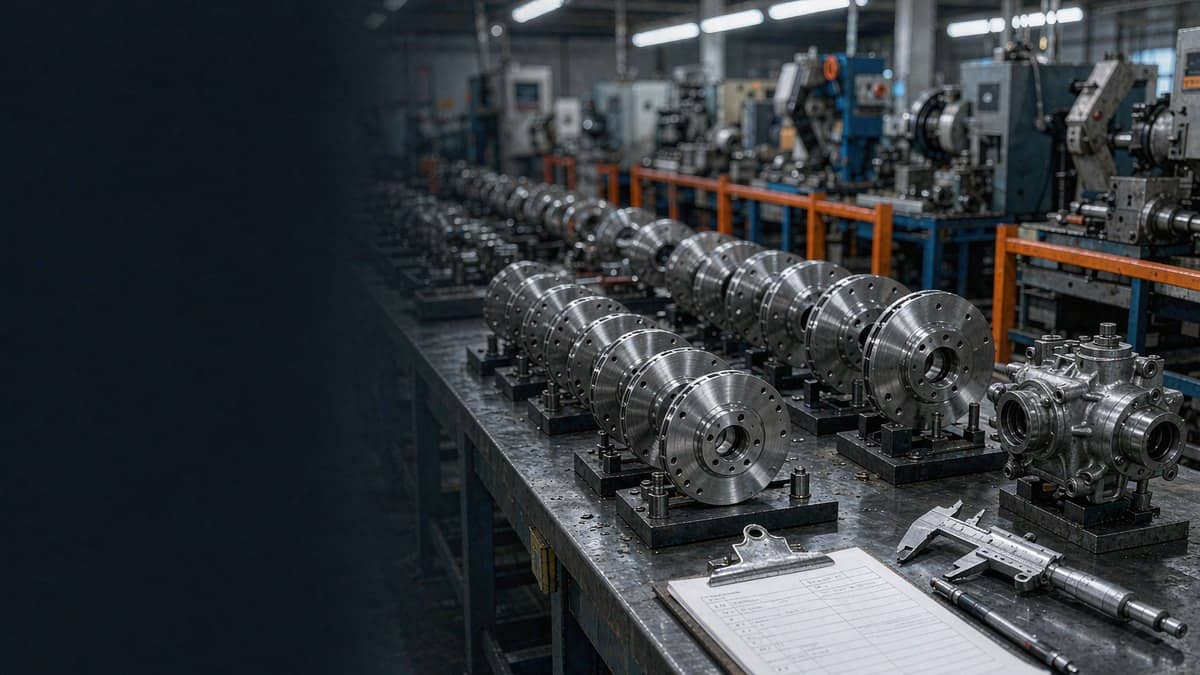
5. Audit the factory — or make them prove they are one
The gap between a manufacturer and a trading company shows up in your defect rate. Questions that separate them:
- Can you visit the production line (or get a live video walk-through)?
- Do they run their own friction material mixing, or buy pre-mixed pads?
- What does 100% final inspection cover — and can they show the records for your order?
- Is ISO 9001 certification current, and is the certificate in the factory's own name?
MOTOKS runs its own mixing to final inspection in Guangzhou and ships to importers, distributors, and vehicle assemblers in 80+ countries. We welcome factory visits and third-party inspections.
6. Start with a mixed trial container
Even with a perfect factory audit, market fit is proven with sales data, not samples. Order a trial lot with several models or compounds mixed in one shipment, track return rates and reorder patterns for one season, then scale the winners.
Our MOQ is 100 pieces per model, and mixed models can be combined in one container — a trial program that would cost a fortune at most suppliers fits in a single pallet order with us.
Ready to test? Send your model list to www.motoks.com/contact and we will prepare samples with full spec sheets — friction code, backing plate dimensions, and material composition included.