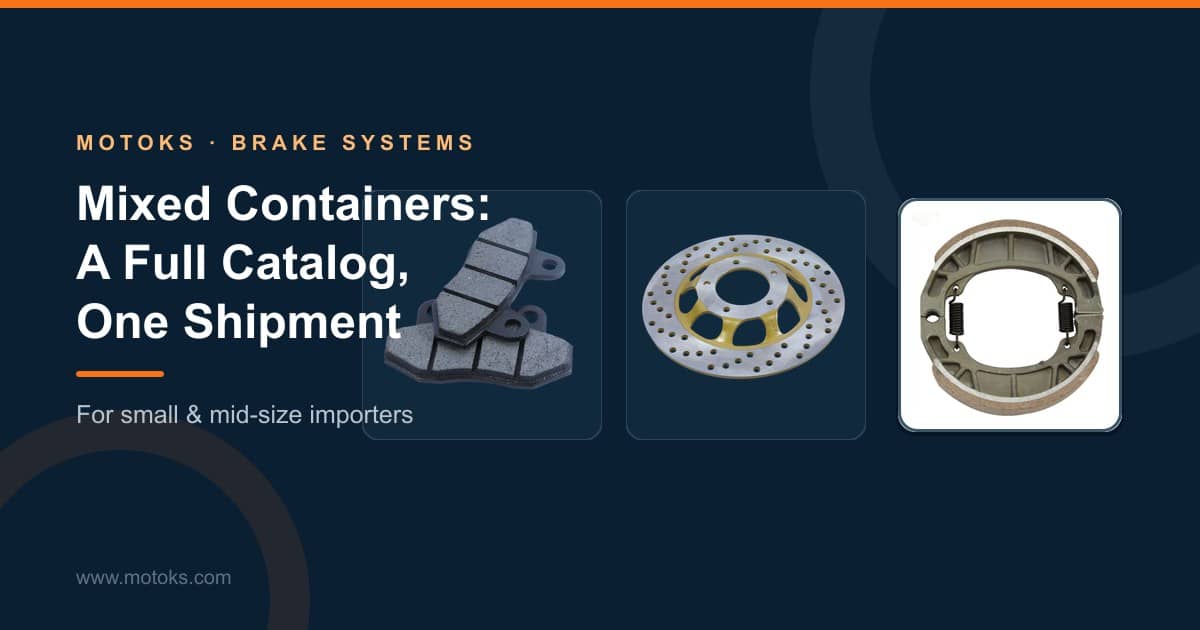
Mixed Containers for Motorcycle Parts: How Small Importers Build a Full Catalog
A container is expensive. A container full of one brake pad model is a warehouse full of dead stock. This is the dilemma every small and mid-size motorcycle parts importer faces: too little variety and you can't serve your market; too much variety and you can't fill a container per SKU.
The answer, for most of our 80+ country customer base, is the mixed container — and doing it well is a sourcing skill worth learning.
What "mixed" actually means
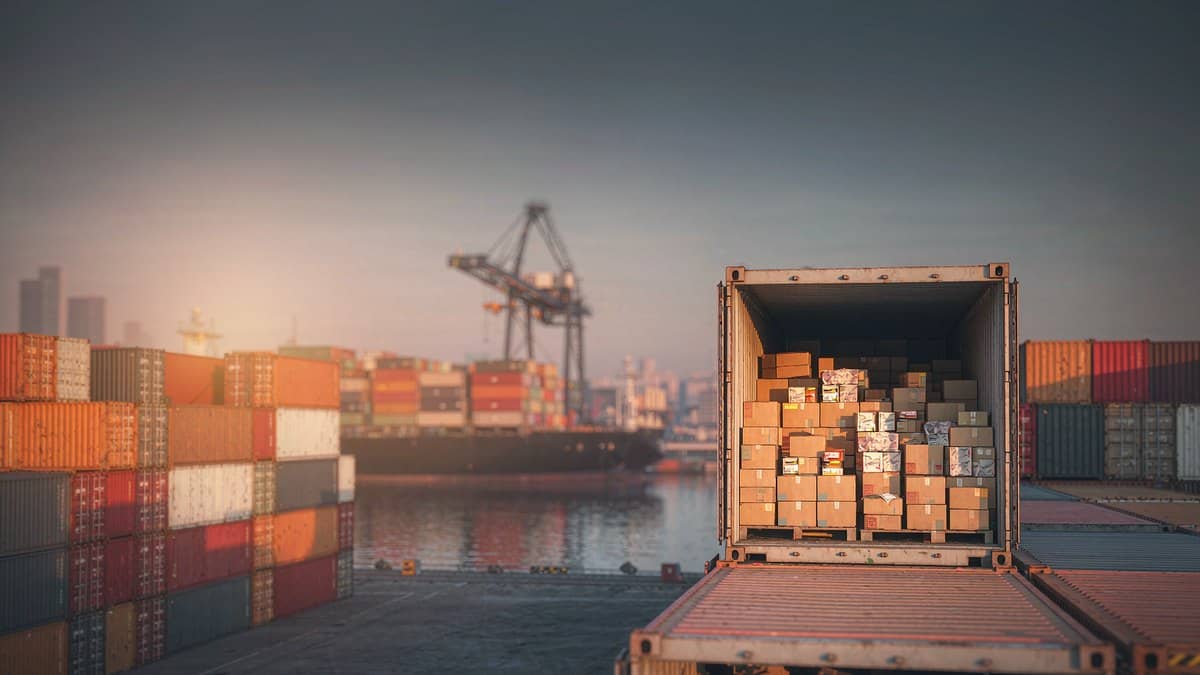
A mixed container (also called a consolidated or LCL-replacement order) is one shipment containing multiple SKUs, packed and shipped together under one set of export documents. Instead of:
20,000 pieces of brake pad model A → three years of stock
You ship:
400 pieces each of 25 models → a complete catalog, sold through in one season
For a first-time importer, this is the difference between entering the market and sitting on inventory.
The economics: why mixing beats pure FCL
| Approach | Capital tied | Risk | Market coverage |
|---|---|---|---|
| Single-SKU container | High | Very high — one wrong model kills the order | Narrow |
| Mixed container (our model) | Medium | Low — spread across models | Full catalog |
| LCL / groupage | Low | Low | Full, but high per-unit freight |
Mixed containers hit the sweet spot: you get FCL freight rates (cheapest per CBM) while spreading risk across 20–40 models.
How to build the mix: the 60/30/10 rule
From years of distributor orders, a mix that sells through cleanly usually looks like this:
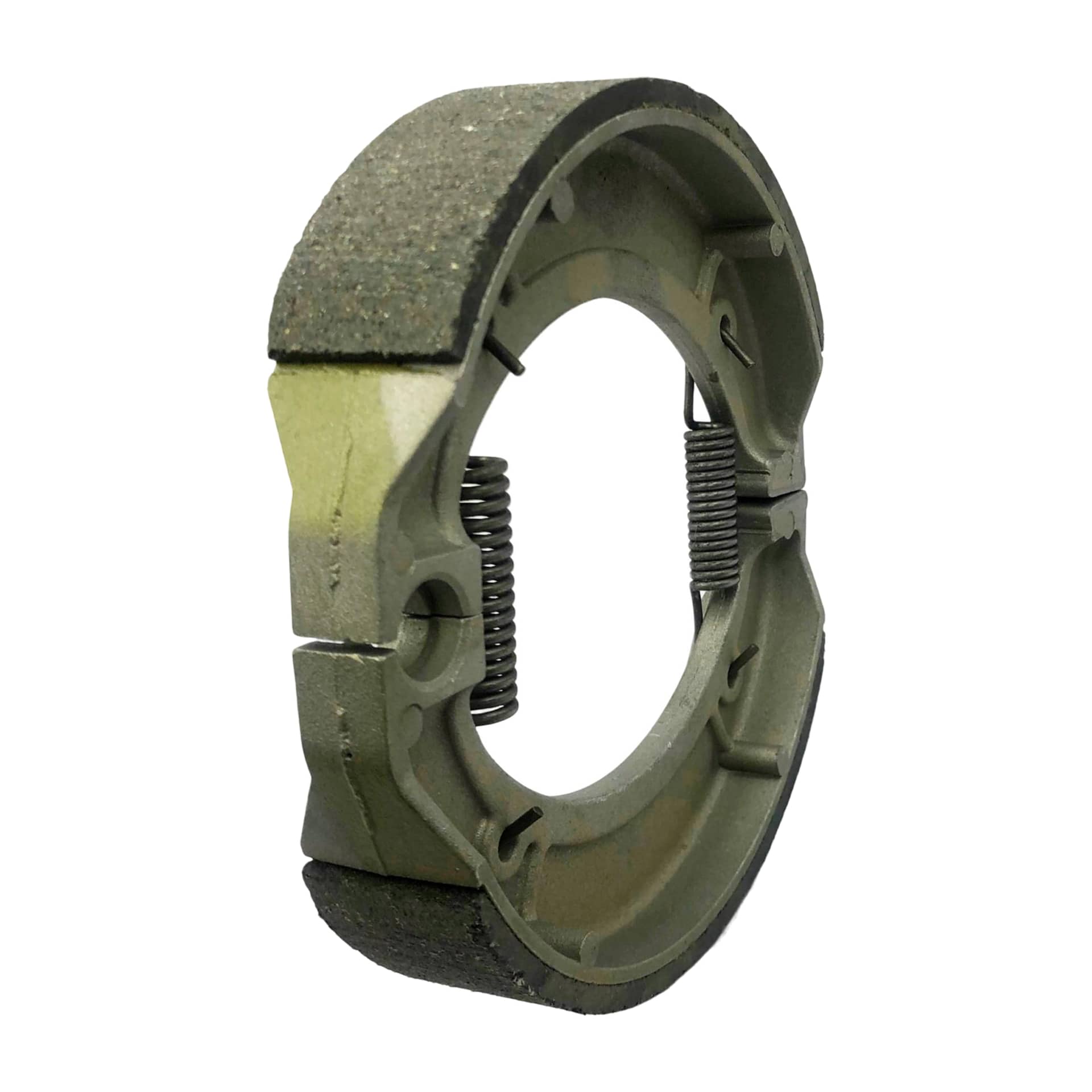
- 60% proven sellers — high-turnover wear items your customers already ask for (CG-series shoes, common commuter disc pads)
- 30% breadth — models covering the top bike platforms in your market, one SKU per platform
- 10% test items — new compounds, premium lines, or models for a segment you want to enter
Adjust per market: a West African distributor skews heavier on drum shoes; a European scooter specialist skews to ceramic disc pads.
MOQ: the number that makes mixing possible
Mixed containers only work when MOQ per model is low. Our MOQ is 100 pieces per model, which is deliberately set for this use case — many factories require 1,000+ per model, making a 25-model container impossible for anyone but large distributors.
With 100-piece MOQ, a 25-model first order is a pallet-scale commitment, not a container-scale one. You can validate the market before you scale.
Packing: the part that goes wrong
Most mixed-container problems are packing problems, not production problems:
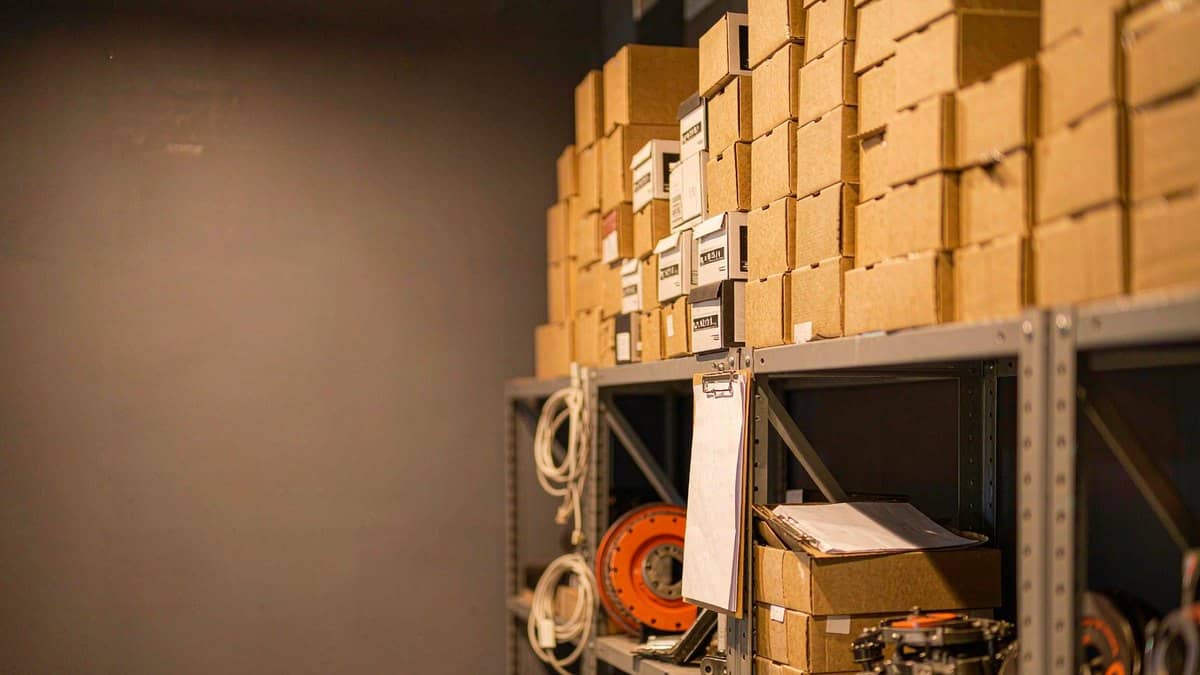
- Carton marking — every carton needs the model number and quantity printed clearly. Unmarked cartons become a sorting nightmare at destination and slow down your warehouse.
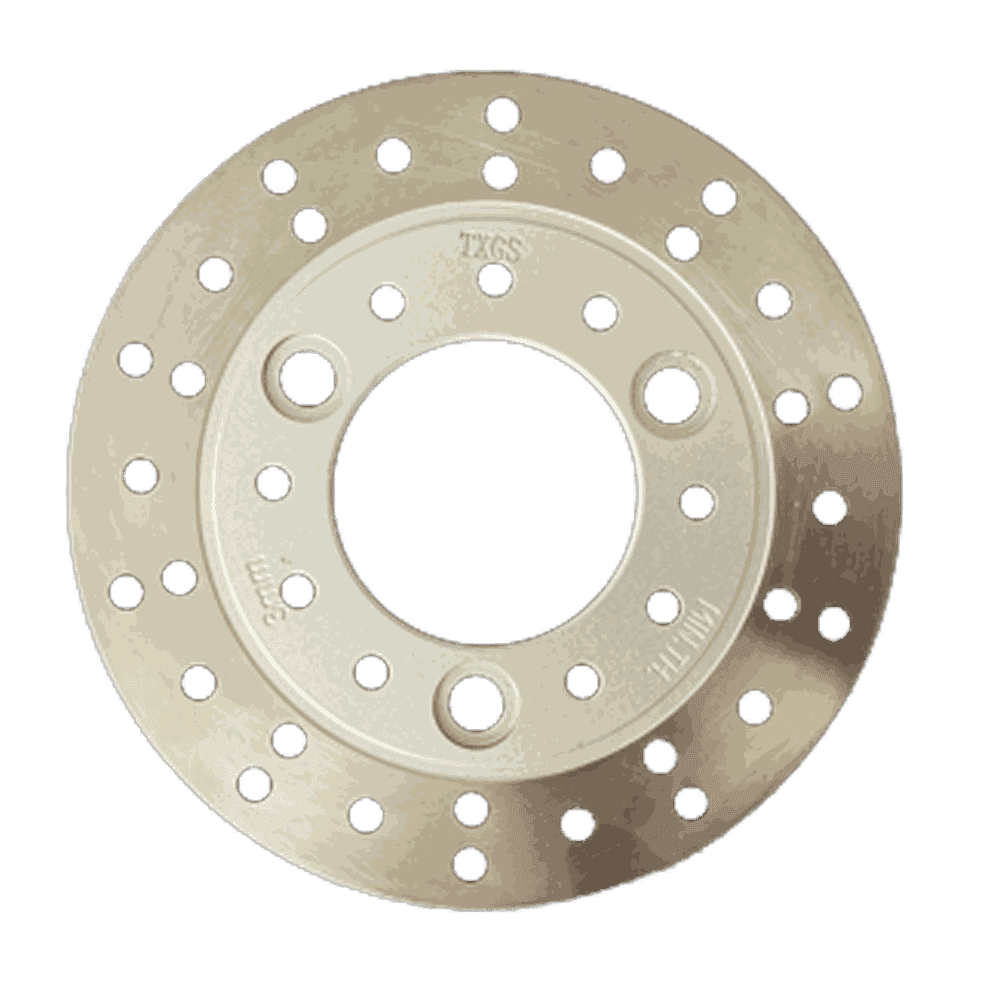
- Loading plan — heavy items (brake discs) at the bottom, light cartons (pads, shoes) on top. A disc carton crushed onto pads means damaged packaging and rejected goods.
- Moisture protection — desiccant bags and stretch-wrap for sea freight. Friction material that absorbs moisture in transit can rust backing plates before it reaches your shelf.
- Document separation — one commercial invoice listing all SKUs with HS codes per line. Mixed shipments with sloppy documentation get held at customs; the delay costs more than the freight saved.
We provide a packing list per carton and a loading plan drawing with every mixed order — so your warehouse can receive the container without opening every box to identify contents.
Timeline for a first mixed order
| Step | Time |
|---|---|
| Quotation and mix confirmation | 3–7 days |
| Sample approval (if new models) | 7–15 days |
| Production | 15–30 days |
| Sea freight (LCL or FCL, varies by port) | 20–45 days |
Total: roughly 6–10 weeks from confirmation to arrival. Book vessel space as soon as production is confirmed — on Africa and South America routes, space, not production, is the bottleneck.
A worked example
A distributor in Lagos entering the market with a $12,000 first order:
- 8 drum shoe models × 150 pairs = 1,200 pairs (60%)
- 12 disc pad models × 120 sets = 1,440 sets (30%)
- 3 ceramic pad models × 100 sets = 300 sets (10%)
- Total: 23 SKUs, ~2,900 units, one 20ft container
That's a full catalog covering the most common bikes in the market, at container freight rates, with no single SKU holding more than 5% of the capital.
Start with your model list
Send us the bike models that dominate your market — we'll propose a mix, quote it, and prepare samples for the models you haven't carried before.
Contact: www.motoks.com/contact · MOQ 100 pcs/model · mixed models per container · OEM/ODM available.
---
MOTOKS is a brake-first motorcycle parts manufacturer in Guangzhou, China, exporting brake pads, shoes, discs, carburetors, clutch kits, and shock absorbers to 80+ countries since 2008.