Suzuki GN125 Series Parts: A Distributor Stocking Guide
Few platforms reward a distributor's attention like the GN125. The original Suzuki design dates back to the early 1990s, and the Chinese industry — led for years by the Haojue joint venture — turned it into a continuing product family that still ships new today. Across Africa, the Middle East and Latin America, the GN125 and its descendants form a large share of the working 125cc fleet, which means the parts demand is deep, steady and surprisingly standardized. It is also full of identity traps that generate returns if your team does not know the lineage.
A Design Old Enough to Have Grandchildren
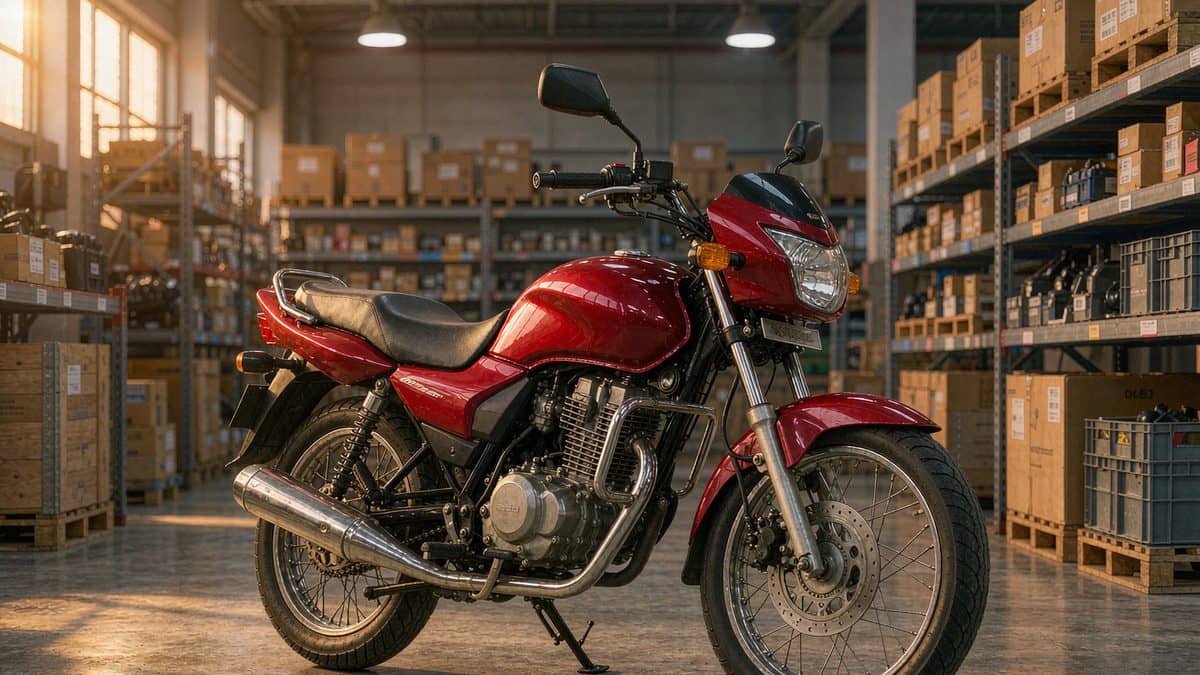
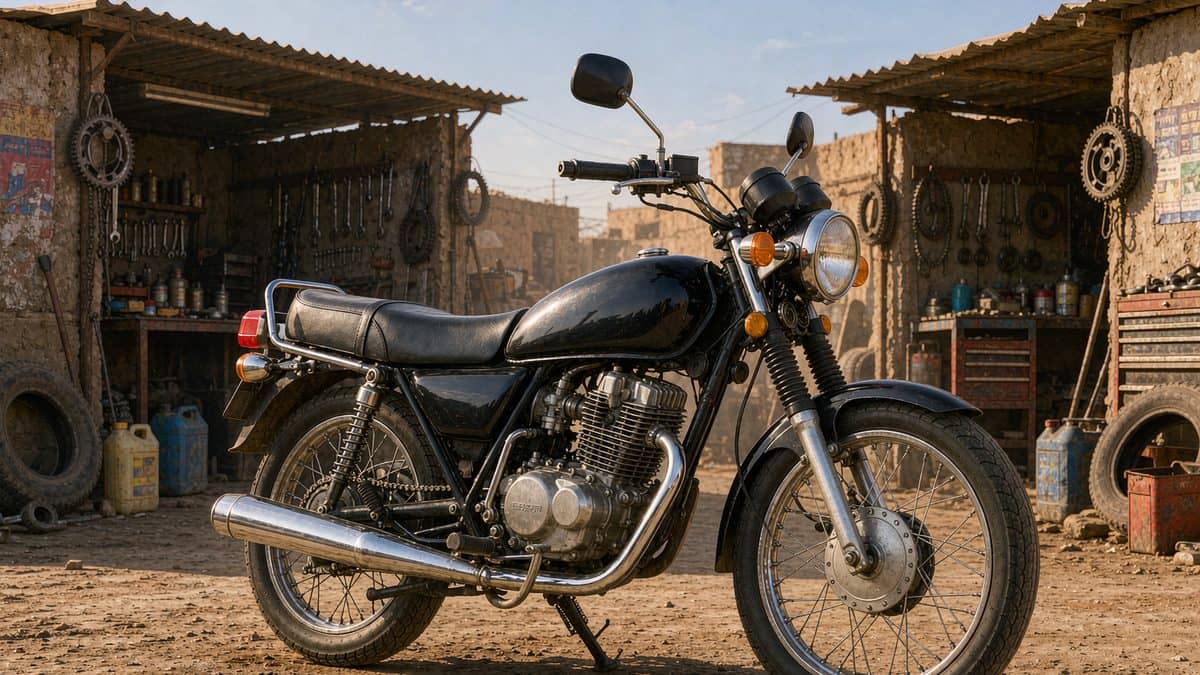
The GN125 formula never changed: air-cooled single, chain-driven overhead cam, single carburetor, drum brakes front and rear, spoked wheels, chain drive. That consistency is the platform's superpower — a GN125-2 built this year is mechanically recognizable to a mechanic who learned on a 1996 import. But the family tree grew wide. The Chinese continuations carry designations like GN125-2, -2A, -2E and -8, and alongside them sit near-identical bikes badged by a dozen local brands. The engines and most driveline parts track the same dimension set; the surrounding hardware does not always.
The Interchange Maze: Genuine GN vs the Continuations
This is where GN125 money is lost. A container of parts quoted against GN125 can be correct on the engine side and wrong on the wheels, brakes or electrics side, because the continuation generations differ in exactly those areas:
- Front brake: early and utility variants keep the drum; some later variants moved to a front disc with its own pad and caliper supply line.
- Wheels: spoked wheels dominate, but certain -8 generation models run alloys, which changes bearings, brake panel hardware and speedo drives.
- Electrics: 12V systems throughout, but CDI units, ignition switches and cluster wiring differ between the Japanese-era reference design and the Chinese continuations.
- Body hardware: tanks, side panels, mufflers and rear fenders vary freely across the badge brands.
The discipline that works: quote engine and driveline parts by the platform, and quote chassis and electrical parts by the specific generation, asking for the frame or engine number whenever the customer is unsure. A photo of the front wheel and the speedometer eliminates most ambiguity at zero cost.
The Wear-Parts Map
With the caveat above, these categories move reliably across every GN125 variant:
- Carburetor service parts and complete carburetors: the platform's single carb is a known quantity and the fleet is aging; jets, float needles, choke assemblies and full units sell continuously. Symptom-diagnosis knowledge at the counter sells more carbs than discounts do.
- Clutch assembly: plates, springs and cables. Working GN125s live on partial clutches; the complete-kit-with-springs approach — available in our clutch kit range — wins repeat business. Compound choice matters — see the materials comparison before setting your tier.
- 428 chain and sprocket kits: the standard pitch across the family. Economy and O-ring tiers both sell.
- Brake shoes: front and rear drums across most variants; add disc pads for the disc-front generations.
- Magneto/stator, CDI and regulator: the electrical trio that ages with heat and miles, plus starter motors on electric-start variants.
- Cables: clutch, throttle and speedometer cables are the platform's best margin-per-cubic-centimeter category. Stock deep; they ship flat and weigh nothing.
Engine Internals: The Shared 125cc Pool
One more reason the GN125 anchors a parts business: its engine dimensions overlap with the wider Chinese 125cc utility fleet. Pistons, rings, valves, camshafts and gasket sets in the right bore and stroke ranges serve multiple model families. This lets you consolidate inventory — fewer SKUs covering more bikes — but it cuts both ways: an intern who assumes all Chinese 125 parts interchange will be wrong often enough to matter. Verify bore, stroke and head type per engine family; the CG-family pushrod engine, for instance, shares almost nothing with the GN's OHC design despite the identical displacement, which is why our CG125 guide reads so differently from this one.
What the Duty Cycle Does to the Bike
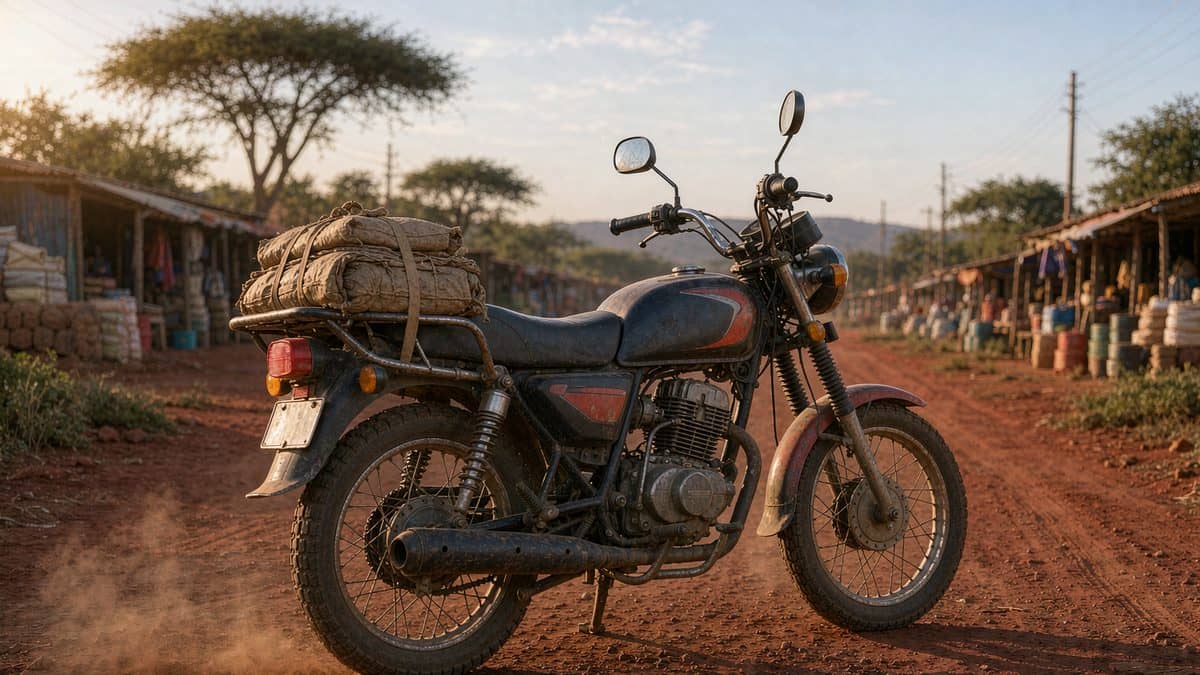
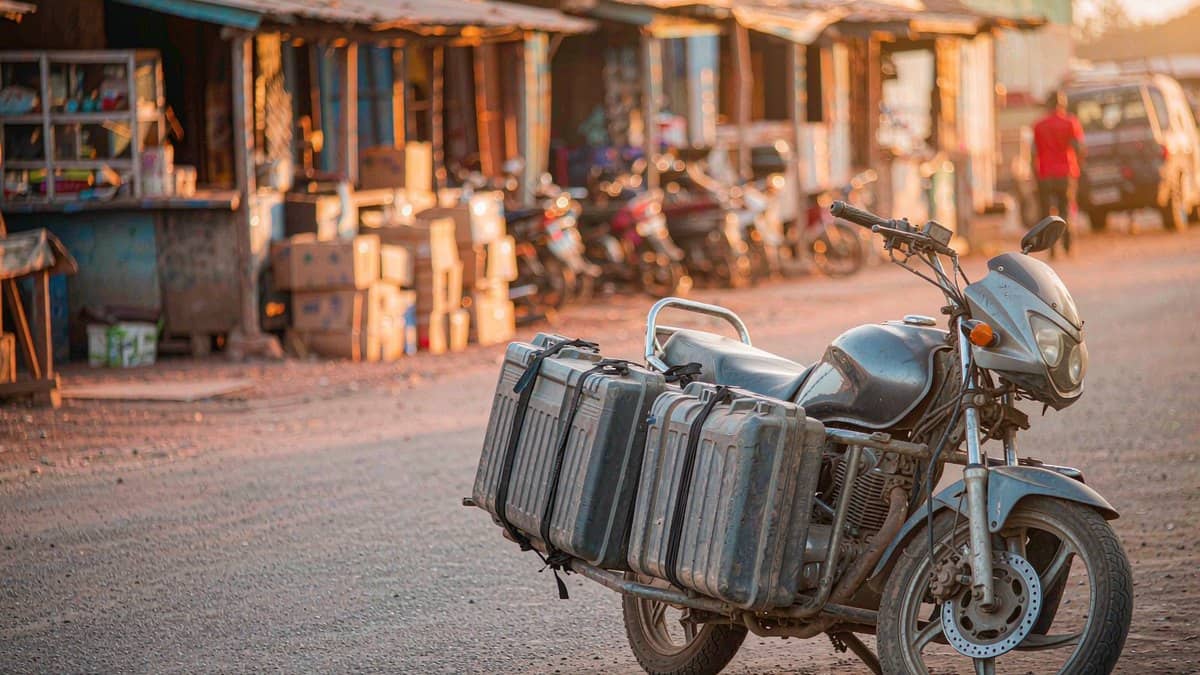
GN125s in export markets lead working lives: water cans, farm produce, passengers, corrugated roads. The failure pattern that follows is predictable and should shape your depth of stock:
- Clutch and driveline first — overloading fattens clutch wear and chain wear simultaneously.
- Spokes and wheel truing parts — the fleet's spoked wheels lose tension on rough roads; spoke sets and rim tapes are a quiet, steady seller.
- Rear shocks — sagging stock shocks are a universal complaint; sell matched pairs only.
- Seat and rack hardware — the cargo platforms crack mounts; mounting kits save the sale.
What This Means for Your Assortment
Three Questions Before Any Quote
Reduce the GN125 lineage to three counter questions and most of the maze disappears. Front drum or front disc? — splits the generations cleanly and governs the whole wheel-end category. Spoked or alloy wheels? — governs bearings, brake panel hardware and speedo drives. Electric start or kick only? — governs the electrical assortment. A customer photo of the front wheel and instrument cluster answers all three at once. Keep a one-page lineage sheet by the phone with the common designations — GN125, GN125-2, -2A, -2E, -8 — and one distinguishing feature for each; within a month your team will identify variants faster than the customers can describe them.
Tiering for a Working Fleet
Because the GN125 fleet is old and working, every wear part sells in two tiers: an economy tier that keeps the price-sensitive buyer in the market, and a durable tier for owners who have already replaced the cheap one once. The durable tier earns its premium most clearly on the parts where failure strands the bike — clutch kits, cam chains, electrical trio — and least clearly on cosmetics, which the customer never wanted to buy in the first place. Hold a strict rule of one good quality on slow movers and two qualities on the fast four (carburetor line, clutch, chain kit, brake shoes). And because engine internals pool across the Chinese 125cc fleet, your purchasing leverage is real: consolidate GN125 orders with the other 125cc platform parts that share dimensions, and the landed cost of the whole program drops without touching quality.
An opening GN125 list, weighted for a working-fleet market: carburetor rebuild kits and complete units, complete clutch kits with cables, 428 chain and sprocket sets in two quality tiers, brake shoes (plus pads for disc-front generations), the electrical trio, a full cable set, spokes and gasket sets. From there, expand by generation-specific chassis parts as your sales data shows which continuations dominate your region. The platform's uniformity makes it the easiest program in the 125cc class to run profitably — provided your team learns the lineage before it learns to quote. If you want the shared engine parts consolidated under your own brand, our OEM program handles exactly this kind of platform-standard assortment.