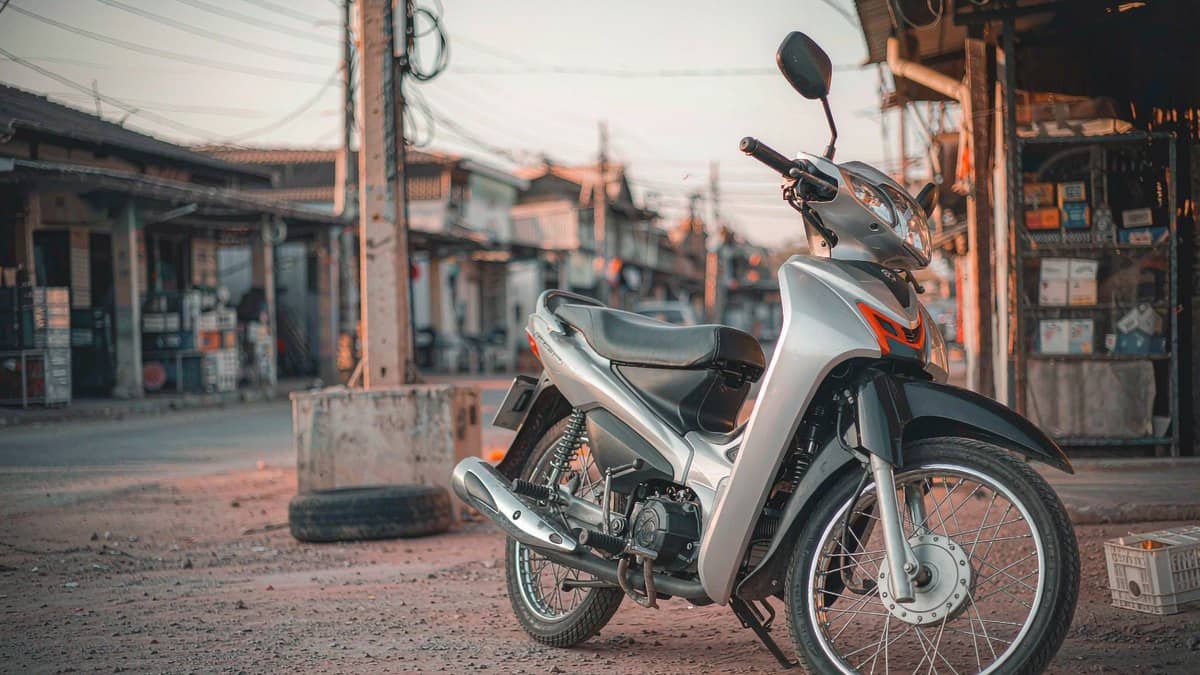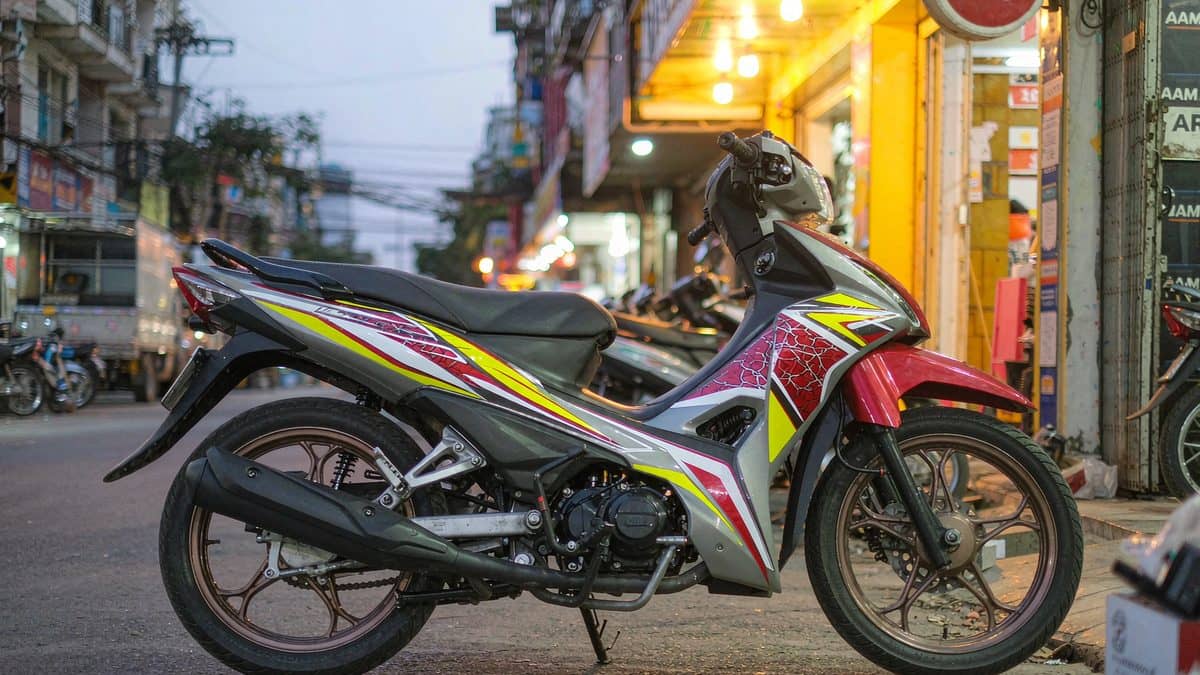
Yamaha Crypton & Spark 135 Parts: A Distributor Stocking Guide
Yamaha's small underbone platform travels under many names — Crypton, Spark, Vega, Libero — but the hardware story is consistent: a tough 105–135cc air-cooled single built to survive overloaded daily service in hot, wet climates. For a distributor, the Crypton family and the Spark 135 are best treated as one stocking program with two trim directions, because the customer base and the failure patterns overlap heavily.
One Platform, Two Personalities
The Crypton line (105/110/115cc in most export markets) is the utility end: simple, often kick-start, drum brakes all around, ridden by farmers, couriers and tricycle operators. The Spark 135 is the sportier face of the same idea — quicker, better equipped, hugely popular in Thailand and Cambodia, and spread across Vietnam and the Philippines through grey-market and official channels alike. Latin American markets take both under different names.
The split matters commercially because the Spark buyer is more appearance- and performance-sensitive, while the Crypton buyer is purely economic. Same cam chains, same brake shoes in many cases — completely different demand for plastics, exhausts and lever sets. Stock the shared mechanicals deep and the trim items by market.
The Wear-Parts Map
Across both lines, these are the steady movers:
- Cam chain (timing chain): the signature wear item of this platform. A stretched cam chain announces itself with a rattly top end and is a routine 20,000–30,000 km replacement in hard service. Sell branded chains — a cheap chain here generates noise complaints and comebacks.
- Drum brake shoes: front and rear on most Cryptons and many Sparks. Small, light, high-turnover; stock deep and cheap-tier.
- Clutch assembly: manual-clutch models eat plates and springs under tricycle-style overloading; the centrifugal auto-clutch variants wear shoes and the outer clutch housing instead. Confirm the clutch type before quoting.
- Chain and sprocket kits: 428 pitch across most of the family; the tricycle conversions chew through them.
- Front fork parts: seals, bushes and complete tubes — overloaded front ends and potholes keep this category alive.
- Carburetor and service parts: jets, floats, complete carburetors for the enormous carb fleet (see the generational split below).
The Carb-versus-FI Generational Split
The Spark 135 and its siblings crossed from carburetor to fuel injection over the 2010s, and both fleets are still on the road. This is the single most important fitment question on this platform:
- Carburetor generation: the used and rural fleet, overwhelmingly. Carburetors, jet kits, float needles, air-filter-to-carb rubbers all sell steadily. Cross-reference carefully — Yamaha OEM numbers do not map to the aftermarket's, and the same displacement shipped with different carb families by market year.
- Fuel-injected generation: fuel pumps, injectors, throttle bodies and sensors. Growing, but still the minority of unit volume in most export markets. Start narrow: fuel pumps and injector seals only, expand on demand.
Train the counter to ask one question — carb or injected? — before quoting anything fuel-related. It prevents most returns on this platform.
Electrical: The Rainy-Season Business
Wherever these bikes run — monsoon Southeast Asia, tropical Latin America — wet-season electrical failures are a season in themselves. Regulator/rectifiers, ignition CDIs, starter motors, starter relays, kill switches and handlebar switches all spike when the rains arrive. Two practical notes:
- Regulator/rectifiers fail in packs after a flood season; buy them in tens, not in units.
- Wiring connectors and bullet terminals are a forgotten category that makes you the shop's favorite supplier — corrosion at connectors mimics every other electrical fault.
The Wave 125 guide covers Honda's answer to the same market; the electrical stocking logic there applies here almost unchanged.
The Tricycle Effect
Thailand and the Philippines routinely bolt sidecars or cargo beds onto these platforms, and Cambodia runs them as porters. A machine designed for one 65 kg rider suddenly carries 250 kg of freight and passengers. Everything in the driveline pays for it: clutch, chain, rear sprocket, rear shocks and wheel bearings all age at twice the book rate. If your market has a tricycle culture, weight the driveline and suspension SKUs accordingly — and stock rear shocks in pairs only, because nobody replaces just one on a working tricycle.
Stocking Nuances Worth Knowing
- Wheel variants: spoked and mag wheels both exist across the family; bearings, brake panel parts and speedo drives differ. Tag by wheel type.
- Front brake variants: drum and disc fronts both ran on the Spark 135 by market year; the disc models add pads and caliper seals to the list.
- Plastics: Spark buyers replace scratched plastics with matched colors; Crypton buyers replace broken ones with whatever fits. Two different stocking depths.
- Gaskets: full top-end gasket sets outsell loose pieces — the platform's age means most teardowns are full jobs anyway.
Counter Scripts That Prevent Returns
Three questions settle almost everything on this platform. Carb or injected? — before any fuel-system part. Manual clutch or automatic? — before any clutch part, because the two systems share nothing and the customer often does not know which his bike has until he looks for a lever. Drum or disc up front? — before any wheel-end part. Print the three questions on a card at the counter, and teach staff to hold the order open until all three are answered. This platform has run for two decades across half a dozen markets; no single parts book covers it, but these three questions cover most of the divergence.
Where the Deep Stock Goes
Depth, in this program, belongs to four categories only: cam chains, brake shoes, 428 chain kits and the carburetor service line. Everything else can run lean and reorder fast. The mistake distributors make on Japanese-branded platforms is overbuying the generation-specific trim — Spark plastics in three colors, Crypton tanks by market year — before the sales data justifies it. Start those categories at minimum order quantity, sell through, and let the reorder pattern tell you which variant your region actually runs. Cash tied up in a slow-moving color of a plastic panel is the most expensive inventory in this trade, because it will not discount out and it will not age well.
Open with the shared mechanicals — cam chains, brake shoes, clutch kits, 428 chain sets, carburetor service parts and the rainy-season electrical core — then expand into generation-specific items as your sales data reveals which variant dominates your market. If you need help mapping supplier part numbers to the Crypton family's model years, our fitment team maintains the cross-reference data, and the parts-finder on our site lets your customers self-serve the first pass. For counter staff, our guide on carburetor symptom diagnosis is a useful handout for the carb-fleet customers this platform serves.